
Commercial Refrigeration Preventive Maintenance Guide
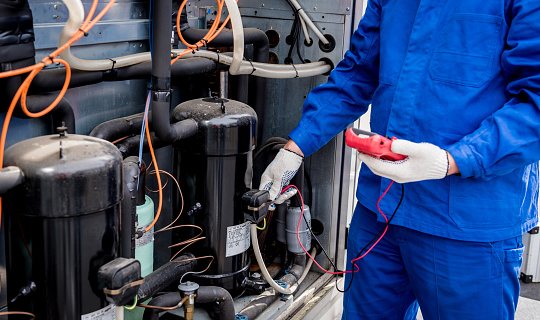
Preventive maintenance reduces avoidable downtime and helps refrigeration equipment operate closer to its designed condition. A good routine combines simple operator checks with scheduled work by qualified refrigeration technicians. This guide covers practical maintenance areas without encouraging unsafe refrigerant or electrical work by untrained staff.
Quick selection checklist
| Daily/shift checks | Temperature display, unusual noise, door closing, airflow blockage, and visible leaks/ice. |
|---|---|
| Routine cleaning | Cabinet surfaces, door gaskets, drains, accessible filters, and the condenser area according to manufacturer instructions. |
| Condenser airflow | Keep intake/exhaust clear; dirty coils can increase head pressure and energy use. |
| Evaporator/defrost | Watch for abnormal frost/ice, blocked airflow, or water leakage; a technician diagnosis may be required. |
| Electrical/refrigerant system | Qualified technicians work only—do not bypass controls or handle refrigerant without appropriate competence. |
| Records | Log temperatures, alarms, cleaning, service work, and recurring faults to identify trends. |
1. Separate operator checks from technician work
Staff can safely observe temperature, clean accessible surfaces, check door seals, and keep ventilation clear. Refrigerant circuits, live electrical components, pressure controls, and sealed-system repairs should be handled by qualified technicians.
2. Keep condensers clean and ventilated
Self-contained refrigeration rejects heat through the condenser. Dust, grease, and blocked airflow can raise condensing pressure, reduce capacity, and increase energy consumption. Follow manufacturer cleaning instructions and provide adequate clearance around air inlets/outlets.
3. Protect evaporator airflow
Do not pack products directly against air outlets or returns. Restricted airflow can create uneven temperatures and icing. If heavy frost appears despite correct loading, the defrost system, fan operation, sensors, or refrigeration charge may need diagnosis.
4. Inspect doors and gaskets
Damaged, dirty, or poorly aligned gaskets allow warm, humid air into the cabinet. Check that doors close fully and that hinges, handles, and seals are in good condition. Frequent door opening also increases load even when the gasket is perfect.
5. Keep drains and condensate systems clear
Blocked drains can cause water leakage, hygiene problems, and ice formation. Clean accessible drains/traps according to the equipment instructions and investigate recurring blockage or freezing.
6. Monitor temperatures and trends
Record cabinet/room temperatures at appropriate intervals for the food-safety plan. Sudden changes, longer compressor run time, repeated alarms, or increasing ice can signal a developing problem before complete failure.
7. Create a planned service schedule
Service frequency depends on equipment type, operating hours, and environment. High-grease kitchens may need condenser attention more frequently than clean retail areas. Keep service records so recurring faults and replaced parts can be tracked.
8. Quotation checklist
For a more accurate quotation, share the intended application, capacity or daily load, required dimensions, operating temperature where relevant, available power and utilities, installation location, project timeline, and any layout or site photos. Clearly state whether you need equipment supply only or installation/commissioning support.
Use Request a Quote for commercial pricing or Talk to an Engineer when the project needs technical review.
Frequently asked questions
How often should commercial refrigeration be serviced?
There is no universal interval. Follow the manufacturer guidance and adjust frequency for operating hours, dust/grease exposure, criticality, and observed condition. High-use equipment often benefits from scheduled preventive inspections.
Can staff clean the condenser?
Only where the manufacturer provides safe, accessible cleaning instructions and the equipment is isolated appropriately. Internal electrical/refrigeration work should be left to qualified technicians.
Why is my commercial chiller icing up?
Possible causes include blocked airflow, door leakage, defrost faults, sensor/control problems, or refrigeration issues. Persistent icing should be diagnosed rather than repeatedly chipped away.
What maintenance records should be kept?
Keep temperature logs, alarms, cleaning dates, service visits, parts replaced, and recurring faults. These records help identify trends and support warranty/service discussions.
Need a project-specific recommendation?
Explore Chiller & Freezer Equipments and Talk to Engineer, or send GTON your requirement for a technical and commercial proposal.
01 Comments
Commercial Kitchen Equipment Checklist Bangladesh | GTON
[…] Commercial refrigeration protects stock and keeps ingredients available at the point of use. Depending on the operation, the project may use upright chillers/freezers, under-counter units, prep refrigeration, display chillers, chest or island freezers, ice machines, and, for larger storage loads, a cold room. […]
Comments are closed.