
PU/PIR Cold Room Panel Guide: Thickness, Application and Selection
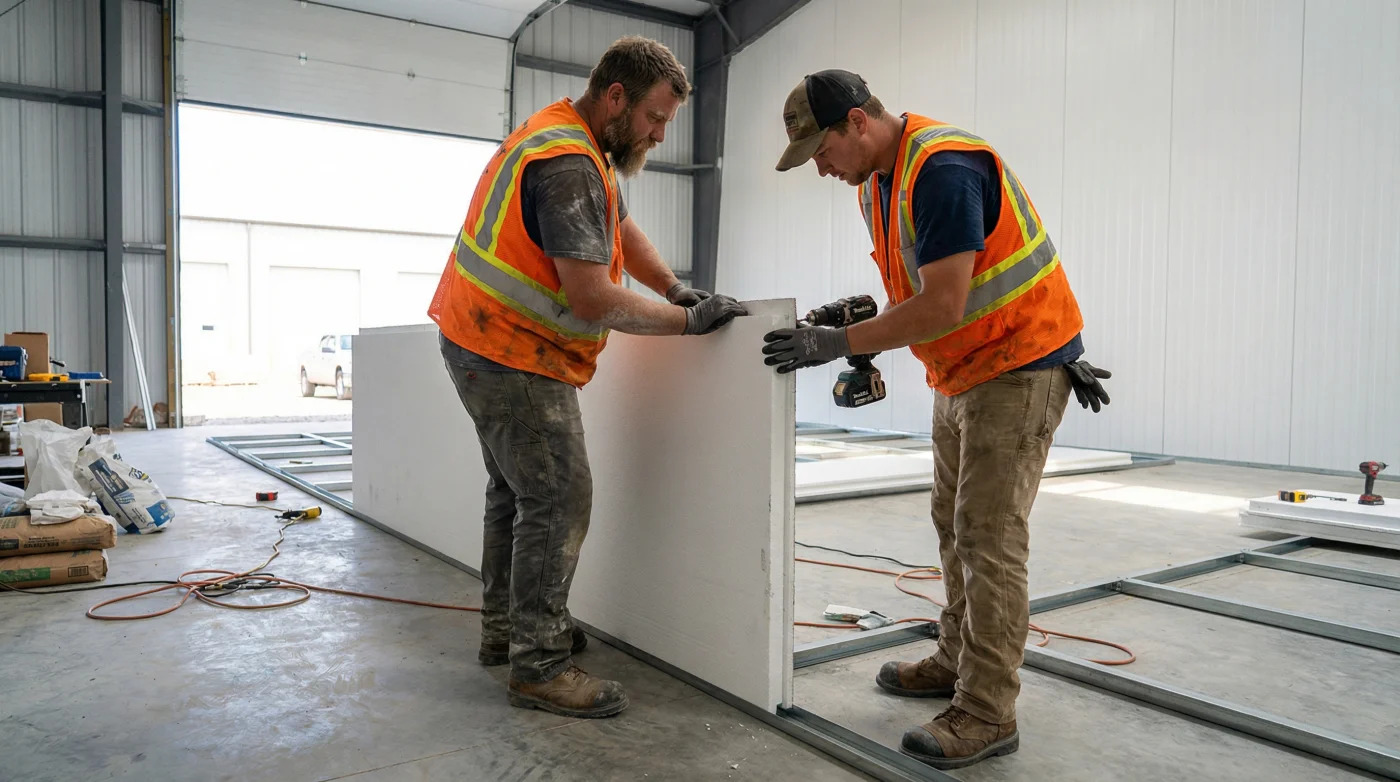
Insulated panels form the thermal envelope of a cold room. Panel thickness matters, but it is not the only design decision: insulation type, density, joint quality, vapor control, surface skin, structural span, floor design and installation details all affect performance. This guide explains the main selection factors.
Quick selection checklist
| Insulation core | PU/PUR and PIR are rigid foam insulation systems; fire-performance characteristics and specifications differ by product. |
|---|---|
| Panel thickness | Selected from temperature difference, duty, energy target, local climate, and structural/installation considerations. |
| Facing | Pre-painted/galvanized steel, stainless, or other skins selected by hygiene, corrosion, and finish requirements. |
| Joints | Cam-lock/tongue-and-groove or other systems must seal continuously to limit air and vapor leakage. |
| Floor | Freezer rooms may require an insulated floor and specific vapor/frost protection depending on the design. |
| Doors & penetrations | Door frames, pipe/cable penetrations, and corners need careful sealing because they interrupt the insulation envelope. |
1. What PU and PIR panels do
Rigid insulated panels reduce heat transfer through cold-room walls and ceilings while providing a clean modular enclosure. The selected product should have documented thermal and fire-performance properties appropriate to the project.
2. Why thickness is application-specific
A higher temperature difference between ambient and room conditions increases heat gain. Freezer rooms, therefore, commonly use greater insulation than mild chilled rooms, but the final thickness should come from the design requirements, panel thermal conductivity, and project conditions rather than a universal rule.
3. Joint quality can defeat good insulation
Even a thick panel performs poorly if joints leak warm humid air. Proper cam locking/joint engagement, sealants, corner details, and vapor continuity are important for both energy performance and moisture control.
4. Surface facing should match hygiene and corrosion exposure
Food rooms often use coated metal skins that are smooth and cleanable. Wash-down intensity, salt exposure, chemicals, and aesthetic requirements may justify different finishes or stainless surfaces in selected areas.
5. Freezer floors need special attention
Sub-zero rooms can require insulated floor construction and measures to control vapor migration and frost/heave risks. The correct build-up depends on slab, ground conditions, room temperature, and engineering design.
6. Doors and penetrations are thermal weak points
Cold-room doors, frames, pipe entries, drains, and electrical penetrations should be selected and sealed as part of the envelope. Heated door frames or pressure-relief devices may be required in some freezer applications.
7. What to request from a panel quotation
Ask for panel core type, thickness, thermal conductivity or declared insulation performance, facing material/thickness, joint system, fire-performance documentation, accessories, floor/ceiling scope, installation method, and warranty.
8. Quotation checklist
For a more accurate quotation, share the intended application, capacity or daily load, required dimensions, operating temperature where relevant, available power and utilities, installation location, project timeline, and any layout or site photos. Clearly state whether you need equipment supply only or installation/commissioning support.
Use Request a Quote for commercial pricing or Talk to an Engineer when the project needs technical review.
Frequently asked questions
What panel thickness should a cold room use?
Thickness depends on room temperature, ambient conditions, insulation performance, energy target, and project design. Chilled and frozen rooms often use different thicknesses; there is no single correct value for every project.
Is PIR the same as PU panel?
They are related rigid foam insulation systems but use different chemistry and can have different fire performance characteristics. Compare the actual certified product data rather than relying only on the generic label.
Why are panel joints important?
Poor joints allow warm humid air and vapor to enter, increasing heat load and condensation/frost risk. Continuous sealing is a core part of cold-room performance.
Does a freezer cold room need an insulated floor?
Many freezer applications require insulated floor construction and may need additional frost/vapour measures. The exact design depends on the slab, ground, and operating temperature.
Need a project-specific recommendation?
Explore Cold Rooms and Cold Room Solutions, or send GTON your requirement for a technical and commercial proposal.