
Cold Room Cost in Bangladesh: Complete Planning Guide
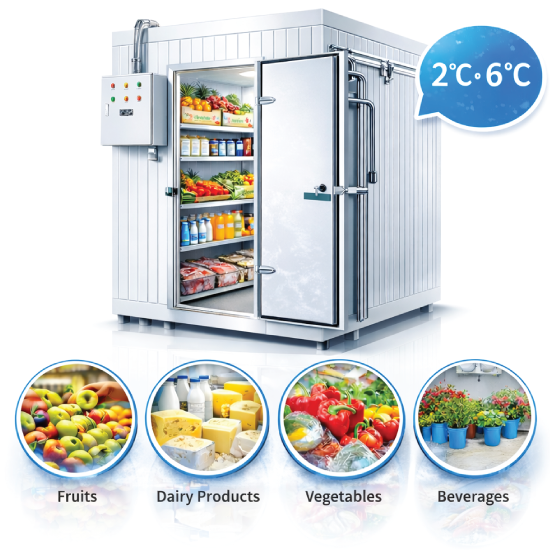
Cold room costs in Bangladesh cannot be reduced to one trustworthy price per square foot. A cold room is an engineered refrigeration system, and its cost changes with the room dimensions, required temperature, stored product, daily incoming load, insulation, refrigeration duty, door usage, site conditions, and installation scope. This guide explains the cost structure so a business can prepare a realistic budget and request comparable quotations.
If you already know the room size, target temperature, and daily product load, review the GTON Modular Cold Room, browse our Cold Rooms, move to Cold Room Solutions or use Request a Quote. If those inputs are not yet clear, the sections below explain what needs to be decided first.
1. What makes up the cost of a cold room?
A complete cold room usually combines several scopes. Separating them makes quotations easier to understand and helps identify what is included or excluded.
| Cost component | What it may include | Main cost driver |
|---|---|---|
| Insulated room envelope | Wall and ceiling panels, trims, sealants and accessories | Room surface area, insulation type and thickness |
| Cold-room door | Hinged or sliding insulated door, frame, hardware and heater where required | Door size, temperature and traffic |
| Floor | Floor insulation, vapour barrier and finish where included | Design temperature, loading and existing civil floor |
| Refrigeration system | Compressor/condensing unit, evaporator, fans, refrigerant circuit and accessories | Calculated refrigeration load and design conditions |
| Controls | Temperature controller, protection, contactors, sensors and control panel | System complexity and control requirement |
| Piping and cabling | Copper pipe, insulation, drain, control cable and power interconnection | Distance between indoor and outdoor equipment |
| Installation & commissioning | Panel assembly, refrigeration installation, pressure testing, vacuum, charging and commissioning | Site access, location and project complexity |
| Site/civil works | Base, drainage, penetrations, structural support, weather protection and main utilities | Existing site condition and supplier scope |
A practical budgeting formula is therefore: cold room project cost = insulated envelope + door/floor + refrigeration + controls + piping/electrical + installation + site works + taxes/transport, where applicable. Always check which of these items are included in the quoted total.
2. Chiller room or freezer room: temperature changes the design
The target room temperature is one of the first inputs required for a cost estimate. A positive-temperature chiller for fresh produce, dairy, or general chilled storage is not designed the same way as a frozen-food room operating well below 0°C.
Lower temperatures generally increase the required refrigeration duty and may change panel thickness, door heating, floor treatment, defrost strategy, and system controls. This is why a quotation should state the design room temperature, not simply describe the project as a “cold room.”
If the business only needs smaller packaged refrigeration rather than a walk-in room, compare suitable Chiller & Freezer Equipment, Kitchen Refrigeration or application-specific display refrigeration before investing in a full cold room.
3. Room size matters—but daily incoming load can matter just as much
Cold-room dimensions determine the heat entering through the insulated surfaces and the air volume that must be maintained. But refrigeration equipment is not selected from room volume alone.
The engineer also needs to know what product enters the room, how much enters each day, and at what temperature. Cooling a large quantity of warm product every day can create a much higher load than simply maintaining already-chilled stock at the same room temperature.
Other load factors include door-opening frequency, number of people working inside, lighting, internal equipment, infiltration of humid outdoor air, and the ambient temperature around the condensing unit.
4. Insulated panels, floor and doors affect both purchase and running costs.
The insulated envelope reduces heat transfer into the room. Panel specification should therefore be selected for the target temperature and application rather than only for the lowest initial price.
When reviewing a panel quotation, check the core material, thickness, density/specification where provided, metal facing, joint system, corner details, and sealing method. Freezer applications may also require additional attention to the floor and vapor control.
The door is another important heat-leak point. Door dimensions, opening frequency, gasket condition, closure method, and the need for frame or threshold heating should be considered during design. A very large door may improve material handling but can also increase air infiltration if traffic is not managed.
5. Refrigeration equipment is selected from the calculated load
The refrigeration system normally includes a condensing/compressor section, an evaporator or unit cooler, a refrigerant circuit, expansion/control components, and protective controls. The exact configuration depends on temperature, capacity, refrigerant strategy, ambient condition, installation layout, and service requirements.
When comparing systems, do not compare compressor horsepower alone. A useful quotation should identify the design conditions and cooling duty or equipment selection basis. Compressor type, condenser capacity, evaporator selection, fan arrangement, defrost method, and control protection all affect performance and serviceability.
For critical storage, discuss whether the project needs redundancy, standby capacity, alarms, remote monitoring, or a backup power strategy. These are project decisions and can materially change the investment.
6. Controls, electrical work, piping and installation can change the final price
Two quotations can look very different if one includes only major refrigeration equipment while another includes copper piping, insulation, control panel, wiring, drain work, panel installation, refrigerant charging, and commissioning.
The distance between the condensing unit and evaporator influences piping and cable quantities. Difficult roof access, long pipe runs, structural supports, outdoor weather protection, or working outside Dhaka can also affect installation cost and schedule.
Before ordering, confirm who will provide the main electrical feeder, isolator, earthing, civil base, drainage, structural support, and any voltage protection or generator/backup arrangement required by the site.
7. Purchase price is only one part of cold-room cost
Cold rooms operate for many hours, so energy and maintenance should be considered alongside the purchase price. Running cost is influenced by heat load, room temperature, compressor and fan efficiency, insulation performance, condenser condition, door openings, product loading pattern, and ambient temperature.
Good operating practices can reduce avoidable energy use: keep doors closed, maintain gaskets, avoid blocking evaporator airflow, clean condensers, keep drains and defrost systems working correctly, and avoid unnecessarily low temperature set points.
Preventive maintenance also protects stored products. A low purchase price can become expensive if the system is difficult to service or if routine spare parts are unavailable.
8. Common reasons cold-room budgets increase during a project
- Room dimensions were increased after the refrigeration system was initially selected.
- The required temperature changes from chilled to frozen storage.
- Daily incoming product load is much higher than first stated.
- The product enters warm and must be pulled down quickly.
- Door size or opening frequency increases.
- Long refrigerant pipe runs or difficult outdoor-unit locations are added.
- Floor insulation, civil work, electrical feeder, or structural work was excluded from the first budget.
- Backup/redundant refrigeration, monitoring, or special controls are added.
- Transportation, taxes, or work outside the supplier’s original scope was not included.
9. How to compare cold room quotations correctly
Do not compare only the final total. Put the quotations side by side and check whether they are based on the same design requirement and scope.
| Compare | Questions to ask |
|---|---|
| Design condition | What room temperature and ambient condition is the equipment selected for? |
| Product load | What product, entry temperature, and daily incoming quantity were used? |
| Panels | What panel type/thickness and door/floor specification are included? |
| Refrigeration | Which compressor/condensing and evaporator equipment is included, and what is the selection basis? |
| Controls | Which temperature, protection, defrost, and alarm functions are included? |
| Installation | Are piping, insulation, cable, drain, charging, testing, and commissioning included? |
| Site scope | Who provides civil work, electrical feeders, supports, drainage, and weather protection? |
| After-sales | What warranty, commissioning support, service response, and maintenance options are provided? |
10. Information GTON needs for an accurate cold room quotation
The fastest way to obtain a useful cold-room cost is to send the information that drives the refrigeration calculation. Prepare the following:
| Room size | Internal length × width × height |
|---|---|
| Required temperature | Target room temperature or acceptable operating range |
| Stored product | Meat, fish, dairy, vegetables, frozen food, ingredients, medicine or other goods |
| Entry temperature | Approximate temperature of product when it enters the room |
| Daily incoming load | Approximate kilograms/tonnes added per day and loading schedule |
| Storage quantity | Maximum stock expected inside the room |
| Door/traffic | Door size, opening frequency and trolley/pallet movement if applicable |
| Site | Project location, indoor/outdoor condition, floor level and access information |
| Power | Available voltage/phase and any generator or backup requirement |
| Scope | Panels only, refrigeration only, or complete supply/installation requirement |
You can send these details through Request a Quote or discuss unusual applications through Talk to an Engineer. For retail meat applications that may not require a walk-in room, also review Meat Display Chillers.
Frequently asked questions
How much does a cold room cost in Bangladesh?
There is no reliable single price for a cold room because the project is engineered around room dimensions, design temperature, stored product, daily incoming load, insulation, refrigeration capacity, door usage, site conditions, and installation scope. A project-specific quotation is more useful than a generic per-square-foot price.
Why does a freezer cold room usually cost more than a chiller cold room?
A lower design temperature generally increases the refrigeration duty and often changes the insulation, door, floor, and defrost requirements. The exact difference depends on room size, product load, ambient conditions, and the selected refrigeration system.
Does a larger cold room always need a much larger refrigeration unit?
Room volume is important, but it is not the only load. Product entering temperature, kilograms of product loaded per day, door openings, people, lights, ambient temperature, and insulation all affect the refrigeration calculation.
What information is needed to prepare an accurate cold room quotation?
Provide the internal room dimensions, required temperature, product type, product entry temperature, daily incoming load, expected storage quantity, door requirement, site location, ambient conditions, available electrical supply, and whether floor insulation or civil work is required.
How can I reduce cold room operating costs?
Good insulation, correctly sized refrigeration equipment, suitable door management, proper sealing, sensible set points, clean condensers and evaporators, preventive maintenance, and avoiding unnecessary warm-product loading can all reduce avoidable energy use.
Should I compare cold room quotations only by total price?
No. Compare the design temperature, refrigeration capacity, compressor and controls, panel specification, door and floor scope, piping, electrical work, installation, commissioning, warranty, service support, and exclusions. Two quotations with different scopes are not directly comparable.
Can GTON review a cold room requirement before quotation?
Yes. GTON can review the room size, temperature, product, daily incoming load, and site requirements and use that information to prepare a project-specific equipment and quotation proposal.
Need a cold room quotation for your project?
Send GTON the room dimensions, target temperature, stored product, and daily incoming load. The team can review the requirement and prepare a project-specific proposal instead of relying on a generic cold-room price.